Angela Azzolino
Posts by Angela Azzolino:
bus camera, double parking
*askMO submissions are italicized and published as received.
hey MO: sharing an experience I learned a few days ago. As some may already know MTA buses can video and capture cars that blocking pathway of the bus. I learned a hard lesson as I received a ticket for doing so. I was dropping off a friend and was doubled parked as I helped unload their groceries for them. I was not in a bus lane, but on a two way street.
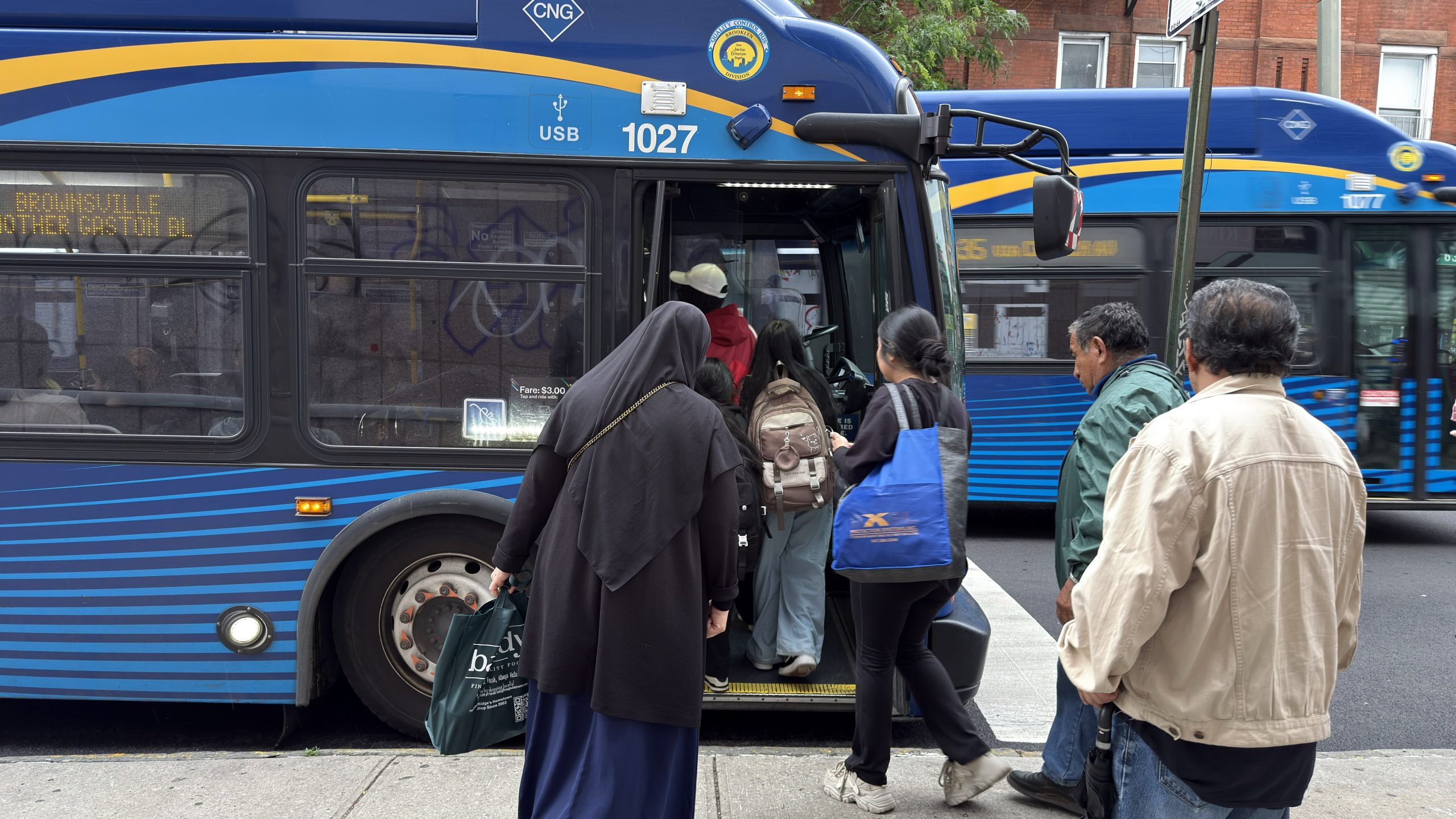
In the ticket I learned that the MTA takes two pictures of your vehicle. The first bus documents your car and if a second bus passes and your car is still there, Im guessing it generates a ticket. Though I was parked for only 7 minutes, I did receive a ticket in the mail. What this tells me if two buses are not at far distance from each other, the secondary bus will generate the violation.
Sadly I am in the wrong and it was a pricey lesson. If anyone for any reason needs to double park, make sure its not on the pathway of MTA buses.
hey you: thank you for sharing your experience—you’ve got it right. The MTA piloted its Automatic Camera Enforcement (ACE) bus routes in late 2019, and the program became permanent in 2022. As of now, 39 routes are ACE-equipped, and nearly 1,000 buses—about a third of the fleet—have on-board cameras. Initially, these cameras issued tickets to vehicles stopped in bus stops or blocking bus lanes. By 2023, enforcement expanded to include double parking. A violation is triggered if two buses pass the same vehicle more than five minutes apart and both capture the license plate.
Fines start at $50 for a first offense and rise to $75 for a second, $100 for a third, $150 for a fourth, and $250 for a fifth or more within a year.
However, like any rule, camera violations do have exceptions. Learn more here: MTA Bus Camera Violations.
what you can do:
- If you need to double park for more than 2.5 minutes, don’t do it on a bus route.
- If available curb space is always hard to come by, submit a request on NYC DOT’s Loading Zone Map or contact your community board or council member to ask for the addition of a dedicated loading zone—so loading or unloading can happen without the risk of a ticket.
- Suggest additional exemptions to the program by submitting feedback to the MTA, participating in public comment periods, advocating through elected officials, and proposing changes to the IDEP application.
- Seek support from local advocacy groups like LiveOn NY and Rider’s Alliance.
Have a story to share? Confused about street traffic regulations and policies? Write to askMO!
*This post is featured in The Sunset Post.
ugh, another sinkhole
*askMO submissions are italicized and published as received.
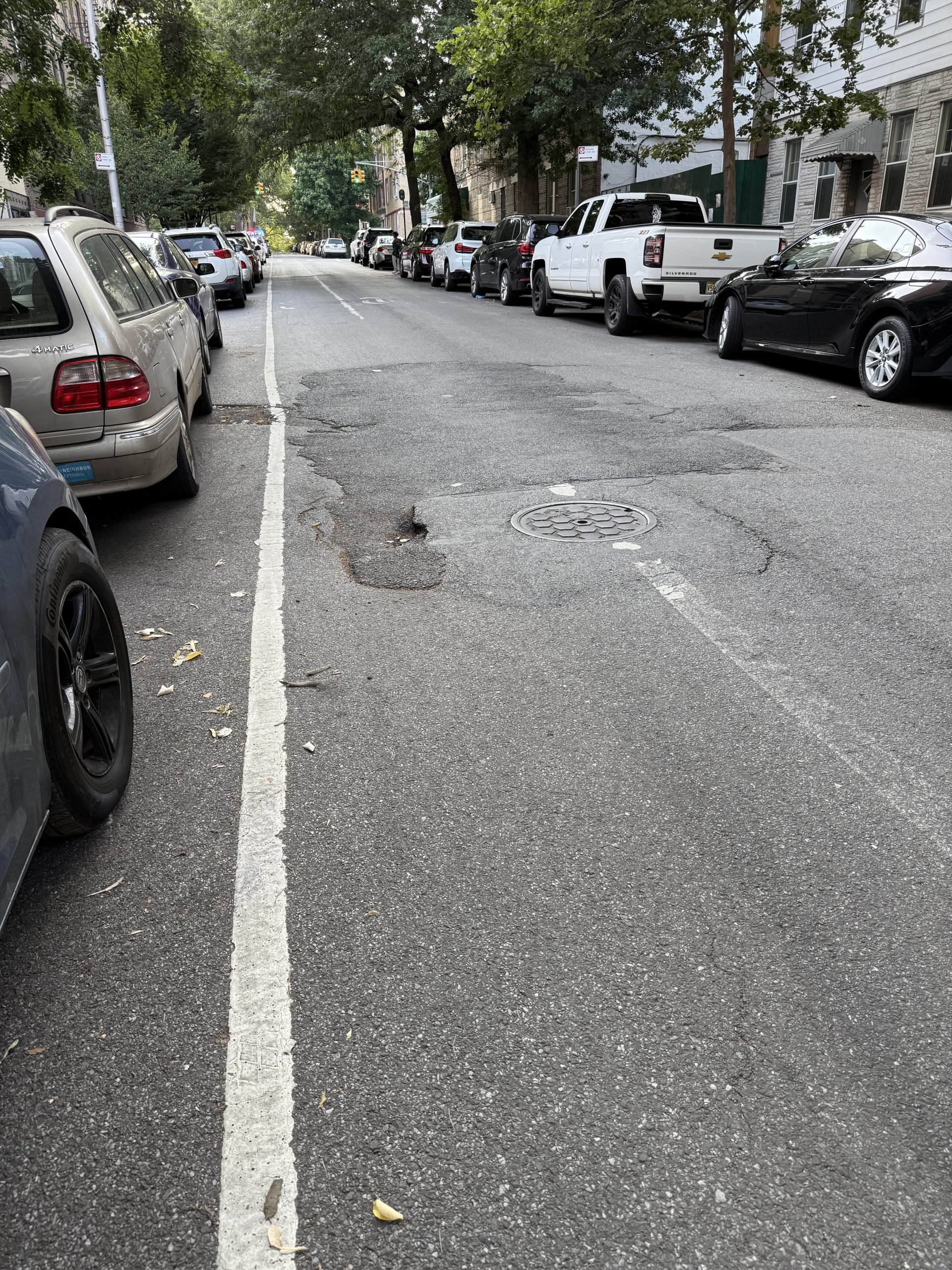
hey MO: thank you for creating this resource. I ride this street a lot and there is a patch of asphalt in the bike lane that sinks. I reported several times to 311 but the repairs are quick and short lived. It seems like the root of problem isn’t being addressed. What more can I do?
hey you: sinkholes on our city streets are, unfortunately, becoming more common. Several factors contribute to this, including aging underground infrastructure, extreme weather, and the constant pressure from heavy vehicles. When these hazards appear in bicycle lanes, the danger is especially serious—people riding often have little time to react, and pooling water or road depressions can easily lead to crashes and serious injuries.
Thank you for reporting the sinkhole to 311. If you live on the block or nearby, encourage your neighbors and business owners to report it too—multiple reports can help move the issue up the city’s priority list. It’s also a good idea to notify your local Community Board. They can sometimes push city agencies to act faster. You can additionally contact the NYC Department of Transportation (DOT) and the Department of Environmental Protection (DEP), which is typically responsible for underground repairs.
If you’re connected to bike clubs, cycling groups, or neighborhood safety advocates, encourage them to call in the sinkhole as well. A collective response can help get bike lane hazards fixed more quickly and protect everyone on the road.
It takes a village. Thank you for your submission!
to err is human
*askMO submissions are italicized and published as received.
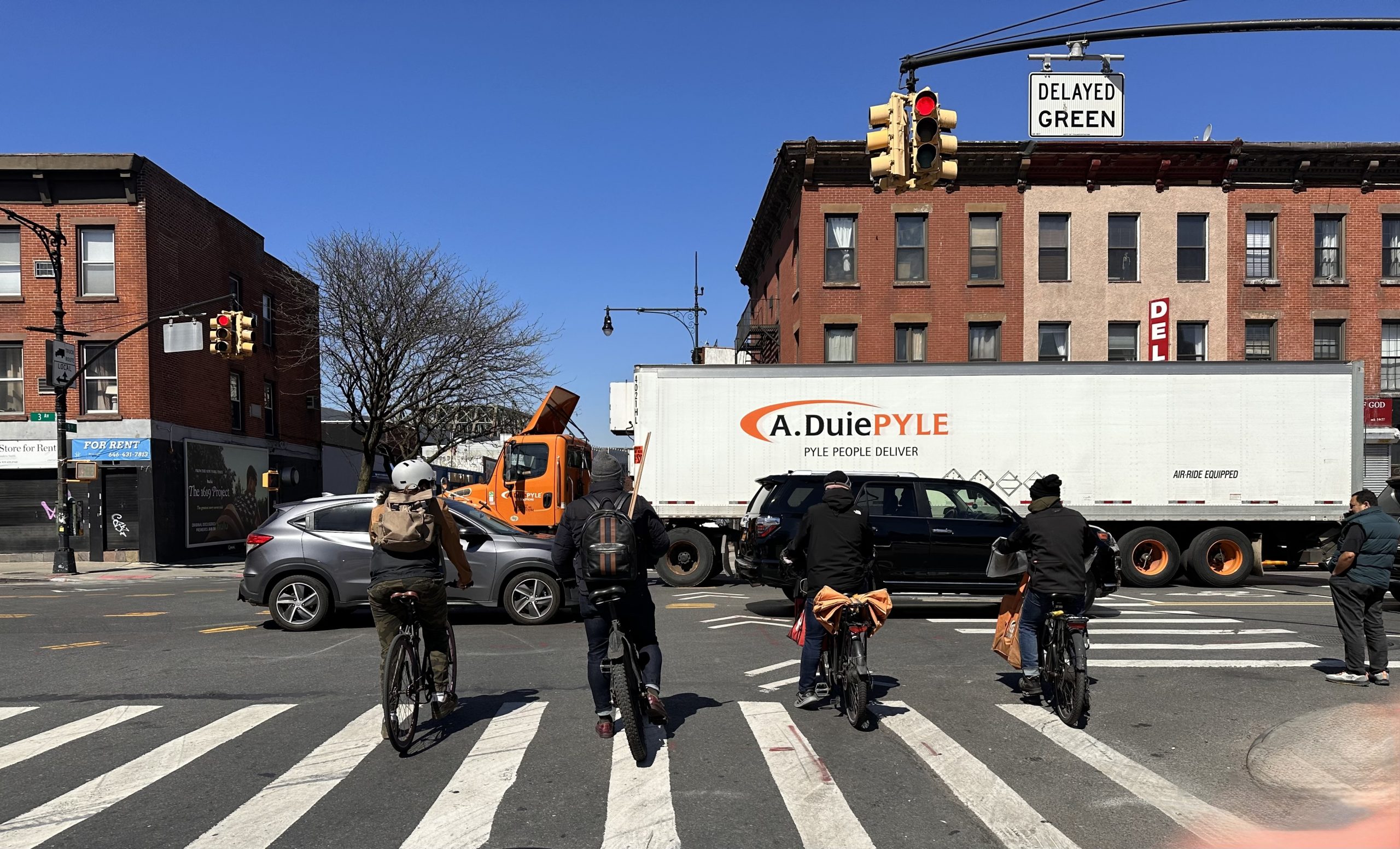
hey MO: I understand that bike lanes exist for everyone’s safety – especially the bikers! Even with these designated lanes, I’ve see so many bikers who refuse to obey the rules of the road, e.g., running red lights, cutting off pedestrians when turning, and not using reflective protective gear at night. I’ve seen this most often with food delivery bikers, but casual and recreational riders are also at fault.
Education for bikers should be required just as education for drivers. I also believe we must foster a shared sense of responsibility among everyone who bikes, walks, or drives.
hey you: it’s true that not everyone on the road—whether driving, walking, or biking—always follows the rules. This unpredictability can make city streets feel chaotic and unsafe.
We often see people who ride bicycles get singled out in this conversation, with many arguing that they frequently break the rules and should be required to complete mandatory education—just like people who drive cars. But the challenge on our streets is much bigger than individual behavior or any single group of road users. The core issue is that the rules themselves are inconsistent, rapidly changing, and still largely designed around automobiles. These regulations don’t always make sense for lighter, slower, balance-based vehicles like bikes, scooters, and e-bikes.
At the same time, technology and app-based services—like Uber, Amazon, Grubhub, Citi Bike, and Lime—have flooded our streets with new vehicles and more delivery workers, all moving at different speeds and with different demands. Our behaviors, expectations, and systems haven’t fully caught up with these dramatic traffic pattern shifts.
If we want safer streets, we need to rethink how we teach and regulate street use for everyone. That means:
- Modernizing traffic education for all vehicle operators at the state, local, and community levels
- Raising awareness about the evolving mix of street users and the limitations of different vehicles
- Continuing street redesigns that slow traffic and create safer, more inclusive spaces
But this alone is not enough, we also need to fund training for traffic educators and invest in inclusive traffic education centers that serve diverse communities and learning needs.
Thank you for raising this important issue and for advocating for more education.
view public comments
15mph e-bike/e-scooter speed limit
terms to know
topic insights
Scofflaw Bicycling: Illegal but Rational
Why “people need to follow the law more” is bad safety advice